
The arts have a favourite myth: that creativity drifts as freely as a neighbour’s cannabis smoke, provided one endures a little aestheticised discomfort. It takes place in a charmingly decaying flat somewhere near the Thames, shared by five people, filled with second-hand furniture, mismatched mugs and at least one tote bag from a gallery opening. The broken chair in the kitchen counts as vintage. None of this is a problem. It’s atmosphere. A phase. Precarity made photogenic.
This myth is ideological, and it is capitalist. It teaches us to treat instability as desirable and unpaid labour as devotion, recasting long hours without compensation as proof of commitment rather than evidence of exclusion. The cultural sector, like the market it mirrors, rewards those who can afford to absorb risk. Exploitation is reframed as experience, while recognition–that golden review, that coveted acceptance email, that well-timed introduction–hovers above everyone as if it will eventually land on the most talented or the most patient. In practice, it settles on those with connections and nepotistic advantages; the already privileged, those with the resources to stay in the game.
For working-class creatives, the myth becomes a strategy for endurance. Creative careers rarely survive on talent alone–they require time: to experiment, fail without financial collapse and produce work that may not pay immediately. Yet acknowledging that would expose what the sector prefers to deny: access is classed, meritocracy is performative, and the playing field is rigged for the children of the affluent.
If the cultural sector is to become more than a playground for the already privileged, we must name the barriers and share strategies for surviving and resisting them.
Refuse the Romance of Unpaid Work
Unpaid internships and exposure gigs are tools of exclusion. If you cannot afford to work for free, you are shut out before your work is even evaluated.
If you do take unpaid work, approach it strategically: set a clear time limit between yourself and the organisation, extract concrete skills or contacts, and step away when the return diminishes. Your labour has value, even if institutions insist it doesn’t.
Strip Back the Financial Gatekeeping
Application fees, submission costs, and portfolio expenses are quiet filters. Always check for fee waivers; many exist but are buried in fine print. Use public infrastructure: libraries, community arts centres, open-source software like LibreOffice Writer or Scribus. Expensive tools are often aestheticised as proof of seriousness. They are not.
When applying for funding, ignore the coded language rewarding fluency in institutional speak. Write clearly about what you want to make and why it matters. Many grassroots funds and community foundations actively seek working-class and first-generation artists, including Arts Council England Project Grants, Jerwood Arts, the Paul Hamlyn Foundation and The Literary Consultancy. Mutual aid networks function as redistributive systems, not as charity but solidarity: DIY arts collectives, skill-sharing co-ops, and artist-run spaces provide resources, contacts, and opportunities outside traditional gatekeeping.
Build Power Collectively
The self-made artist is a convenient fiction. Success in the arts is networked, and networks can be built outside elite spaces. Form collectives. Share studio space. Organise DIY exhibitions. Trade skills instead of paying market rates.
Join artist unions and campaigns pushing for fair pay and an end to unpaid internships. Structural exclusion requires structural resistance. When working-class creatives organise, institutions are forced to respond.
Reject the Myth of the Only Path
Prestigious schools and institutions are not neutral arbiters of talent; they are gatekeepers shaped by class. Alternative routes, apprenticeships, community programmes, online distribution and artist-run spaces are not second best. They are often more politically alive and less beholden to donors and branding.
The problem is not that working-class people lack creativity. It’s that the system prices them out. Until arts funding is redistributed and cultural labour is properly paid, access will remain unequal.
In the meantime, share information. Donate when you can. Credit working-class peers. Refuse to normalise exploitation. Art belongs to everyone, and keeping it that way is a political fight.
Effy Kousteni, Co-Editor-in-Chief
This blog post, along with many others, is available to read on the Spellnotes section of our website.
If you don’t follow us on social media yet, you can find links to all our channels here.
If you’d like to read or view this work in full, you can subscribe here. Our magazine is available in both PDF and paperback formats. Click here to learn more.
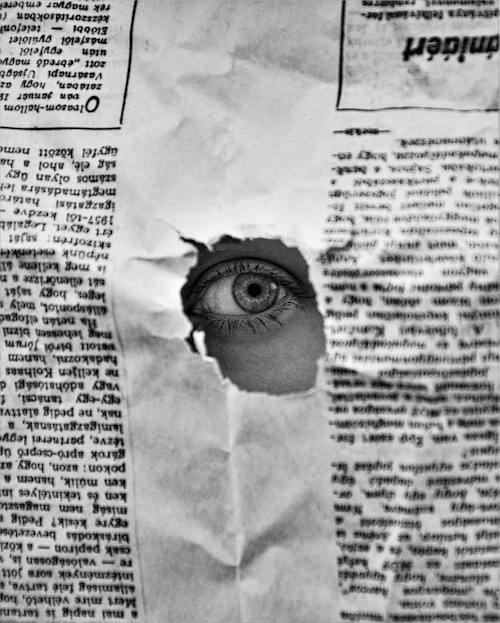
Photo by Timi Keszthelyi on Pexels.