
A Guide for Nonfiction Writers
There are two moments in every writer’s dating life that inspire equal amounts of fear. The first is realising you fancy someone. The second is them realising you write nonfiction. From that point on, every conversation carries a faint air of legal negotiation. Anecdotes are shared with caution, offhand remarks arrive pre-screened for liability and there is always, hovering politely in the background, the unspoken question: Is this off the record? Which, as any self-respecting romcom heroine will tell you, is exactly the moment things start to unravel.
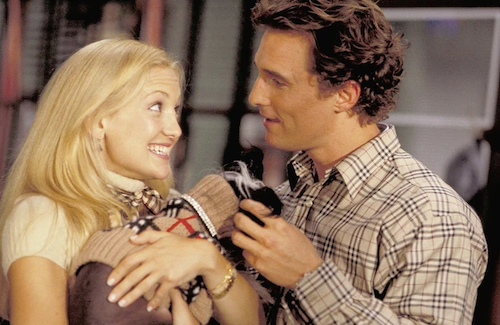
So, in the spirit of How to Lose a Guy in 10 Days, here is a guide to sabotaging a perfectly good relationship using nothing but a notebook, an overactive imagination and the alarming belief that everything would make a brilliant story.
Day 1: Turn Your Date Into a Case Study
Have a nice time while discreetly assessing whether this person makes a good plot. Clock phrasing, pacing and details that might one day become texture. Reassure yourself this is attentive listening, nothing sinister. By the end of the date, decide with professional detachment whether they are a protagonist, a supporting character or, regrettably, someone who does not survive past the opening paragraph. You’ll feel a bit guilty about this, carry on.
Day 2: Turn Him Into a Metaphor
One of the cruellest tricks a writer can pull is turning a person into an idea. He’s no longer a man you are seeing but a symbol of modern romance. Respond warmly and internally draft headlines and subheadings. Avoid looking too pleased when he says something remotely quotable. Nothing drains chemistry faster than someone who appears to be mentally sub-editing the evening.
Day 3: Record Conversations Without Appearing Legally Suspicious
He says something so perfect that part of your brain lights up. You know exactly where it would fit in an essay, so you borrow his best lines.
However, never take notes. Rely on your internal archive system, which stores tone, phrasing and vivid detail for later use. Tell yourself this is normal. The danger only arrives when you can replay his exact sentence structure on the Tube home and still hear the emphasis on the wrong word.
Again, this is not research, just an overactive imagination trying to behave.
Day 4: Fall for Him and Panic About Narrative Structure
When attraction appears, instead of reacting like a functioning adult, assess its arc. Is this a slow burn or a misdirect? The answer is none. It’s a date. Still, if you want to accelerate your own downfall, continue referring to your feelings as plot development.
Day 5: Make ‘I Write Nonfiction’ Sound Like a Warning Label
Say it early and say it lightly, as though it’s of no consequence. Then watch as the atmosphere shifts. Novelists get admiration, poets get concern and nonfiction writers get suspicion. If you want to speed things along, add “I might write about this.” Smile and pause.
This is the moment you’ll remember people are not case studies. You must ignore this information.
Day 6: Over-Observe His Behaviour
Point out patterns. Mention the way he always says ‘kind of’ before anything emotional or the strategic deployment of ‘to be fair’ before saying something deeply unfair. Do not criticise him, simply observe him like an overqualified social scientist on a night out.
You are, to be clear, not a social scientist. You are just nervous and calling it insight.
Day 7: Confuse Observation With Charm
Mentally edit the conversation in real time. Maintain eye contact while annotating the moment. This produces a very specific energy: attentive, intense, faintly academic and just structured enough to be unsettling. If someone starts to feel like both participant and subject, you are on track.
Day 8: Decide Between Him and Dialogue
Overthink this aggressively. A story has structure, pacing and direction. Real people don’t come with narrative clarity. A writer can become so attached to the narrative of a relationship that they stop paying attention to the relationship itself. It’s entirely possible to mistake coherence in conversation for compatibility in life. If you find yourself comfortable in their silence as much as speech, proceed with caution or ideally do not proceed at all.
Day 9: Draft His Character Arc
Fail at this consistently. Fill in the gaps, assign motivations, build a backstory—treat assumption like ritual practice. Nothing ends romantic intrigue faster than someone who has already drafted your emotional trajectory before pudding arrives. At this stage, you are not writing a story, but overthinking one.
Day 10: Try to Act Normal Anyway
Do not. That is, in fact, the point. You attempt presence but your mind insists on annotation. The trick is to appear like someone having an uncomplicated evening while turning it into material. If he survives ten days, it’s either true love or you have been unusually disciplined.
The Day After: Realise What You’re Doing
Most people go on a date and come home wondering whether there will be another one. Writers go on a date and come home with a title. Of course, we don’t mean to. Nobody sits across from an attractive stranger thinking, Brilliant, new material. That would require far more confidence than anyone in this situation actually has.
But writing nonfiction means moving through the world with your eyes open in an inconvenient way. You collect details, odd turns of phrase and their tiny contradictions without noticing. It becomes instinctive, which is all well and good until you meet someone you genuinely like.
For all the notebooks, metaphors and unnecessary narrative analysis, the best relationships have a way of defeating even the most determined writerly instincts. Eventually, you stop wondering whether someone would make a good story and start wondering how their day was. Which, turns out, is a much better place to begin.
Effy Kousteni, Co-Editor-In-Chief
This blog post, along with many others, is available to read on the Spellnotes section of our website.
If you don’t follow us on social media yet, you can find links to all our channels here.
If you’d like to read or view this work in full, you can subscribe here. Our magazine is available in both PDF and paperback formats. Click here to learn more.
Photo from Bing